Navigating the Waves: How Freight Forwarders are Adapting to Recent Industry Changes
In recent months, the freight forwarding industry has faced a wave of transformations driven by global economic shifts, technological advancements, and evolving regulatory landscapes. Freight forwarders, the linchpins of global trade, are adapting rapidly to these changes to meet the demands of an increasingly complex logistics environment.
Supply Chain Disruptions and Adaptations
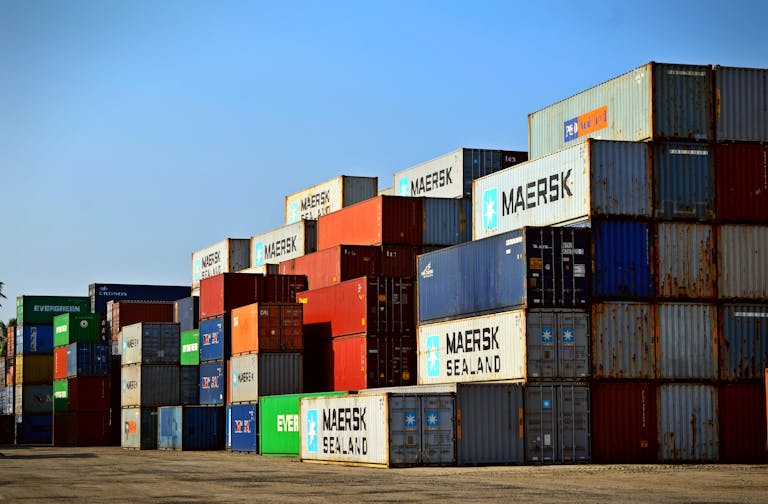
The global supply chain continues to be impacted by a series of disruptions, including fluctuating fuel prices, geopolitical tensions, and natural disasters. These disruptions have highlighted the critical role of freight forwarders in ensuring the smooth flow of goods across borders. Recent news has emphasized how companies are responding by diversifying their supply chains and investing in more resilient logistics solutions.
For instance, the recent congestion at major ports, such as the Port of Shanghai, has prompted many freight forwarders to explore alternative routes and ports. By employing advanced route optimization technologies and fostering closer relationships with port authorities, forwarders are enhancing their ability to mitigate delays and keep goods moving efficiently.
Technological Advancements in Freight Forwarding
Technology continues to reshape the freight forwarding landscape, with innovations driving efficiency and transparency. The integration of artificial intelligence (AI) and machine learning (ML) into logistics operations is a key trend. These technologies are being utilized for predictive analytics, which helps forwarders anticipate and address potential disruptions before they occur.
A recent report highlighted that companies adopting AI-driven platforms have seen significant improvements in operational efficiency and customer satisfaction. Real-time tracking systems, powered by the Internet of Things (IoT), are also becoming more prevalent, offering clients enhanced visibility into their shipments and streamlining communication throughout the supply chain.
Sustainability and Green Logistics
As environmental concerns become more pressing, the freight forwarding industry is increasingly focusing on sustainability. Recent news has seen a surge in initiatives aimed at reducing carbon footprints and promoting green logistics practices. Companies are investing in eco-friendly transportation options, such as electric and hybrid vehicles, and exploring ways to optimize packaging and reduce waste.
Freight forwarders are also collaborating with shipping lines and port operators to develop and implement more sustainable practices. The emphasis on reducing emissions and adopting cleaner technologies reflects a growing commitment to environmental stewardship within the industry.
Regulatory Changes and Compliance
Regulatory changes are a constant in the global logistics landscape, and recent updates have introduced new compliance requirements for freight forwarders. The implementation of stricter customs regulations and trade agreements has necessitated a more agile approach to compliance management.
Freight forwarders are enhancing their customs clearance processes by leveraging advanced compliance tools and ensuring that their teams are well-versed in the latest regulatory developments. Staying ahead of regulatory changes is crucial for avoiding delays and ensuring smooth cross-border operations.
The Future of Freight Forwarding
Looking ahead, the freight forwarding industry is poised for continued evolution. The focus on technology, sustainability, and regulatory compliance will shape the future of logistics. Forwarders who embrace these changes and innovate in response to emerging trends will be well-positioned to thrive in the dynamic global market.
As freight forwarders navigate these challenges and opportunities, their ability to adapt and provide reliable, efficient services will remain a key factor in driving global trade forward.
About MIP Logistik
MIP Logistik is a leading freight forwarding company specializing in air, sea, and land transport solutions. Founded in 2021, we provide tailored logistics services to meet the unique needs of our clients. With branches in Jakarta, Semarang, Surabaya, and Medan, we are committed to delivering reliable and efficient logistics solutions that support global trade and enhance supply chain performance.