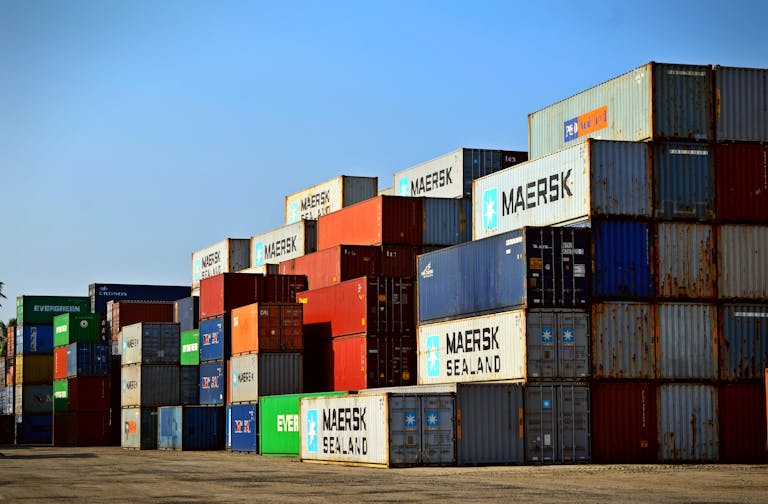
The Modern Freight Forwarder: Navigating the Complexities of Today’s Logistics Landscape
In the ever-evolving world of logistics, the role of the freight forwarder has never been more critical. Today’s freight forwarders are at the forefront of a dynamic industry that is rapidly adapting to global changes, technological advancements, and new customer expectations. As we move through 2024, the landscape of freight forwarding is characterized by increased complexity, innovation, and a heightened focus on sustainability.
Adapting to Global Supply Chain Challenges
The global supply chain has faced unprecedented disruptions over the past few years, including the COVID-19 pandemic, geopolitical tensions, and natural disasters. These events have underscored the importance of agility and resilience in logistics. Modern freight forwarders are responding by implementing strategies that enhance supply chain visibility and flexibility.
Forwarders are increasingly using data analytics and real-time tracking technologies to manage and mitigate disruptions. By leveraging advanced software solutions, they can provide clients with up-to-date information on shipment status, anticipate potential delays, and make proactive adjustments to logistics plans.
Technological Integration
Technology is transforming the freight forwarding industry at a rapid pace. Innovations such as artificial intelligence (AI), blockchain, and the Internet of Things (IoT) are revolutionizing how forwarders operate.
- AI and Machine Learning: AI is being used to optimize route planning, predict demand, and enhance decision-making. Machine learning algorithms analyze vast amounts of data to identify patterns and improve forecasting accuracy, allowing forwarders to offer more efficient and cost-effective solutions.
- Blockchain: Blockchain technology is gaining traction for its ability to provide a transparent and immutable record of transactions. This technology is improving trust and security in supply chain operations by enabling real-time verification of shipments and reducing the risk of fraud.
- IoT: IoT devices are enhancing cargo visibility with real-time tracking and monitoring. Sensors embedded in shipping containers and vehicles provide valuable data on conditions such as temperature, humidity, and location, helping forwarders ensure the integrity of sensitive cargo.
Focus on Sustainability
As environmental concerns become increasingly prominent, freight forwarders are placing a strong emphasis on sustainability. The logistics industry is exploring various ways to reduce its carbon footprint and adopt greener practices.
- Eco-Friendly Transportation: Forwarders are investing in sustainable transportation options, including electric and hybrid vehicles. These initiatives aim to reduce emissions and contribute to a cleaner environment.
- Green Logistics: Efforts to optimize packaging, improve energy efficiency in warehouses, and implement waste reduction strategies are becoming standard practices. Many forwarders are also seeking certifications and partnerships with organizations that support environmental sustainability.
Enhanced Customer Experience
In today’s competitive market, providing an exceptional customer experience is crucial. Modern freight forwarders are focusing on enhancing service quality and meeting the evolving expectations of their clients.
- Personalization: Forwarders are offering more customized solutions tailored to the specific needs of their clients. This includes personalized service offerings, flexible shipping options, and tailored logistics strategies.
- Transparency and Communication: Clear and open communication is vital for building trust with clients. Forwarders are investing in technologies that provide real-time updates and enhance transparency throughout the shipping process.
- Value-Added Services: To differentiate themselves, many freight forwarders are expanding their service portfolios to include value-added services such as warehousing, customs brokerage, and supply chain consulting.
Navigating Regulatory Changes
The regulatory environment for international trade is constantly evolving. Freight forwarders must stay abreast of changes in customs regulations, trade agreements, and compliance requirements to ensure smooth operations and avoid delays.
- Compliance Management: Modern forwarders are leveraging advanced compliance tools and expert knowledge to navigate complex regulatory landscapes. This helps ensure that shipments meet all legal requirements and reduces the risk of non-compliance.
Looking Ahead
The future of freight forwarding promises continued innovation and growth. As the industry adapts to new technologies, regulatory changes, and environmental pressures, forwarders will play a crucial role in shaping the future of global trade.
Forwarders who embrace these changes, invest in technology, and prioritize customer satisfaction will be well-positioned to lead the industry into the next era of logistics.
About MIP Logistik
MIP Logistik is a leading freight forwarding company specializing in air, sea, and land transport solutions. Founded in 2021, we offer customized logistics services tailored to the unique needs of our clients. With branches in Jakarta, Semarang, Surabaya, and Medan, we are committed to providing reliable, efficient, and innovative logistics solutions that drive success in global trade.