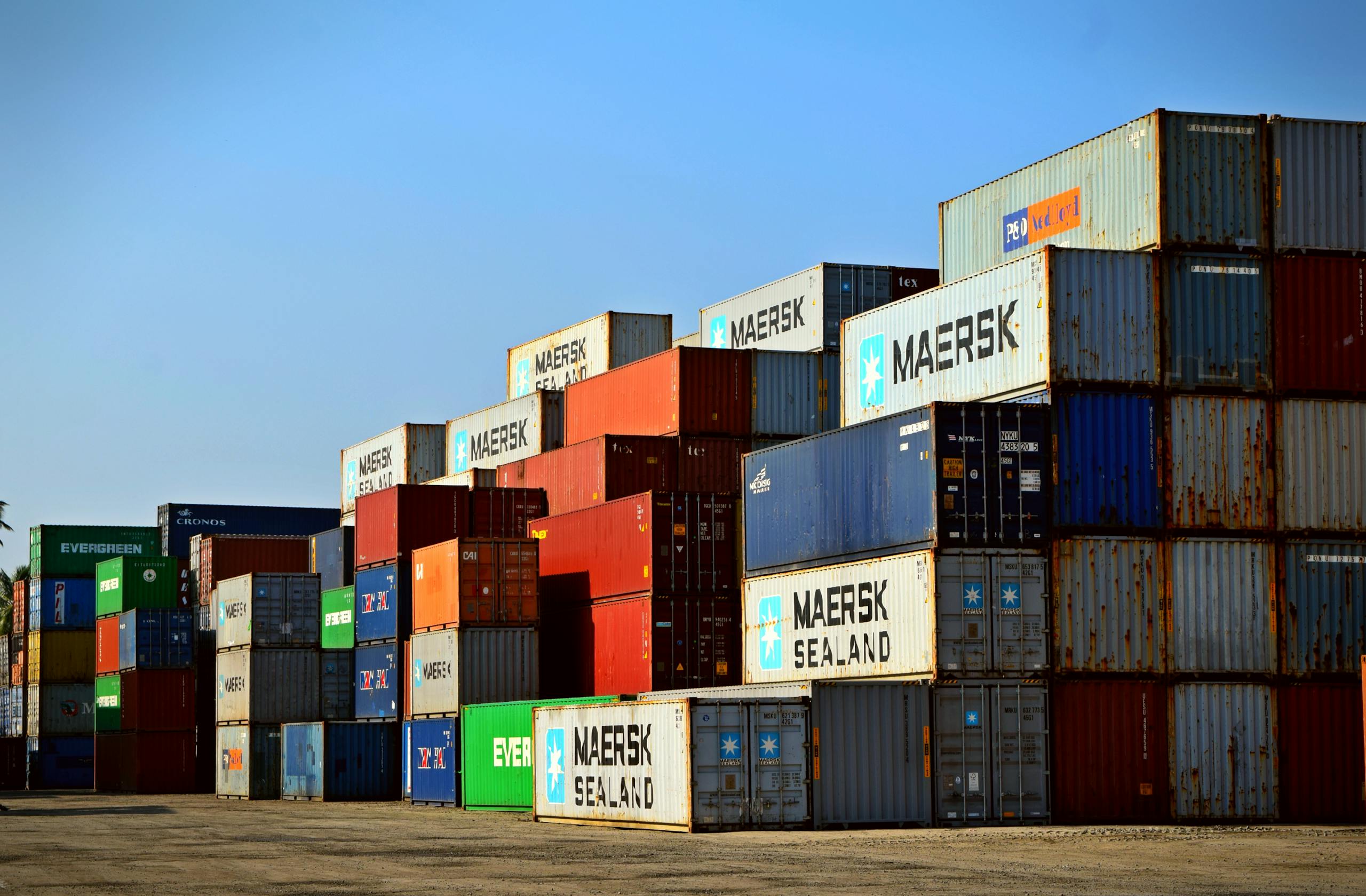
Why Businesses Should Use Freight Forwarder Services
In today’s interconnected global marketplace, managing the complexities of shipping and logistics can be daunting for many businesses. Freight forwarders, the unsung heroes of international trade, offer a range of services that simplify and streamline the process of moving goods across borders. For companies looking to optimize their supply chains, partnering with a freight forwarder offers numerous advantages that can lead to significant operational efficiencies and cost savings.
1. Expertise and Industry Knowledge
Freight forwarders are specialists in logistics and transportation, with in-depth knowledge of the complexities involved in moving goods internationally. They understand the nuances of customs regulations, trade agreements, and transportation requirements across different regions. This expertise helps businesses navigate the often intricate and varying rules governing international shipments, reducing the risk of costly delays and compliance issues.
2. Efficient Logistics Management
One of the primary advantages of using a freight forwarder is their ability to manage and coordinate the entire logistics process. From booking cargo space and arranging transportation to handling documentation and customs clearance, forwarders take care of every aspect of the shipping process. Their comprehensive management ensures that shipments are handled efficiently, allowing businesses to focus on their core operations.
3. Cost Savings
Freight forwarders have established relationships with carriers, ports, and other logistics providers, enabling them to negotiate favorable rates on behalf of their clients. By leveraging these relationships and their expertise in optimizing shipping routes and methods, forwarders can often provide cost-effective solutions that might be challenging for businesses to secure independently. Additionally, forwarders help in avoiding unexpected costs through better planning and risk management.
4. Access to a Global Network
Freight forwarders operate within an extensive network of global partners, including shipping lines, airlines, and trucking companies. This network provides businesses with access to a wide range of transportation options and routes, facilitating efficient and reliable delivery to virtually any destination. Whether a company is shipping goods across continents or within a region, a freight forwarder can leverage their network to ensure timely and safe delivery.
5. Real-Time Tracking and Transparency
Modern freight forwarders utilize advanced tracking technologies that offer real-time visibility into the status and location of shipments. This transparency allows businesses to monitor their cargo throughout the shipping process, anticipate potential delays, and make informed decisions. Real-time tracking also enhances communication with customers by providing accurate delivery estimates and updates.
6. Risk Management and Problem Resolution
Shipping internationally comes with its share of risks, including potential delays, damage, and loss of goods. Freight forwarders are equipped to handle these risks through comprehensive insurance options and proactive problem resolution strategies. In the event of unforeseen issues, such as customs delays or logistical hiccups, forwarders use their expertise and resources to address and resolve these problems promptly.
7. Compliance with Regulations
Navigating the maze of international regulations can be complex. Freight forwarders stay up-to-date with the latest customs laws, trade policies, and compliance requirements, ensuring that all documentation and procedures are in order. This adherence to regulatory standards helps avoid penalties and ensures that shipments meet all legal requirements.
8. Flexibility and Scalability
Freight forwarders offer flexible solutions that can be tailored to meet the specific needs of businesses, whether they are small enterprises or large corporations. As business needs evolve, forwarders can adjust their services accordingly, providing scalable solutions that accommodate changes in shipment volumes, routes, and types of cargo.
9. Value-Added Services
Beyond basic transportation and logistics, many freight forwarders offer additional value-added services, such as warehousing, inventory management, and supply chain consulting. These services can enhance the overall efficiency of a business’s supply chain and provide additional support to streamline operations.
10. Focus on Core Business Activities
By outsourcing logistics and shipping functions to a freight forwarder, businesses can focus their resources and efforts on their core activities, such as product development, marketing, and customer service. This focus on core competencies allows companies to grow and innovate while leaving the complexities of logistics to the experts.
Conclusion
In an increasingly globalized economy, leveraging the expertise and resources of a freight forwarder can provide significant advantages for businesses of all sizes. From managing logistics and reducing costs to ensuring compliance and enhancing visibility, freight forwarder services offer comprehensive solutions that streamline international shipping and support business success. For companies looking to optimize their supply chain and improve operational efficiency, partnering with a freight forwarder is a strategic investment that can drive long-term growth and competitive advantage.
About MIP Logistik
MIP Logistik is a leading freight forwarding company specializing in air, sea, and land transport solutions. Founded in 2021, we provide tailored logistics services to meet the unique needs of our clients. With branches in Jakarta, Semarang, Surabaya, and Medan, we are committed to delivering reliable, efficient, and innovative logistics solutions that support global trade and enhance supply chain performance.